How to Hire a Certified Chimney Sweep in Annapolis
A certified chimney sweep has passed a recognized exam on chimney codes, venting and safe practice, and keeps that training current. In Annapolis, where many homes still burn wood on cold nights and older brick chimneys take a beating from Chesapeake humidity, the person you hire matters as much as the cleaning itself. This guide explains what the main credentials mean, how to check them in a few minutes and what a good visit should include.
If you want the full picture of what a cleaning covers first, start with our chimney cleaning service in Annapolis. Below, we focus on choosing the right person for the job.
What Does Chimney Sweep Certification Mean?
In the United States, the best known credential comes from the Chimney Safety Institute of America (CSIA). To earn it, a sweep must pass an exam on fire codes, clearances, venting and inspection methods, agree to a code of ethics and recertify every three years by exam or continuing education. Certification is voluntary. No Maryland law requires it to clean a chimney, which is why it is worth asking about.
Certification tells you the person has studied the standard most sweeps work from, NFPA 211, the National Fire Protection Association standard for chimneys, fireplaces, vents and solid fuel burning appliances. That standard sets out the three inspection levels and says chimneys should be inspected once a year. A trained sweep knows which level fits your situation and what each one should cover.
Which Credentials Should You Ask About?
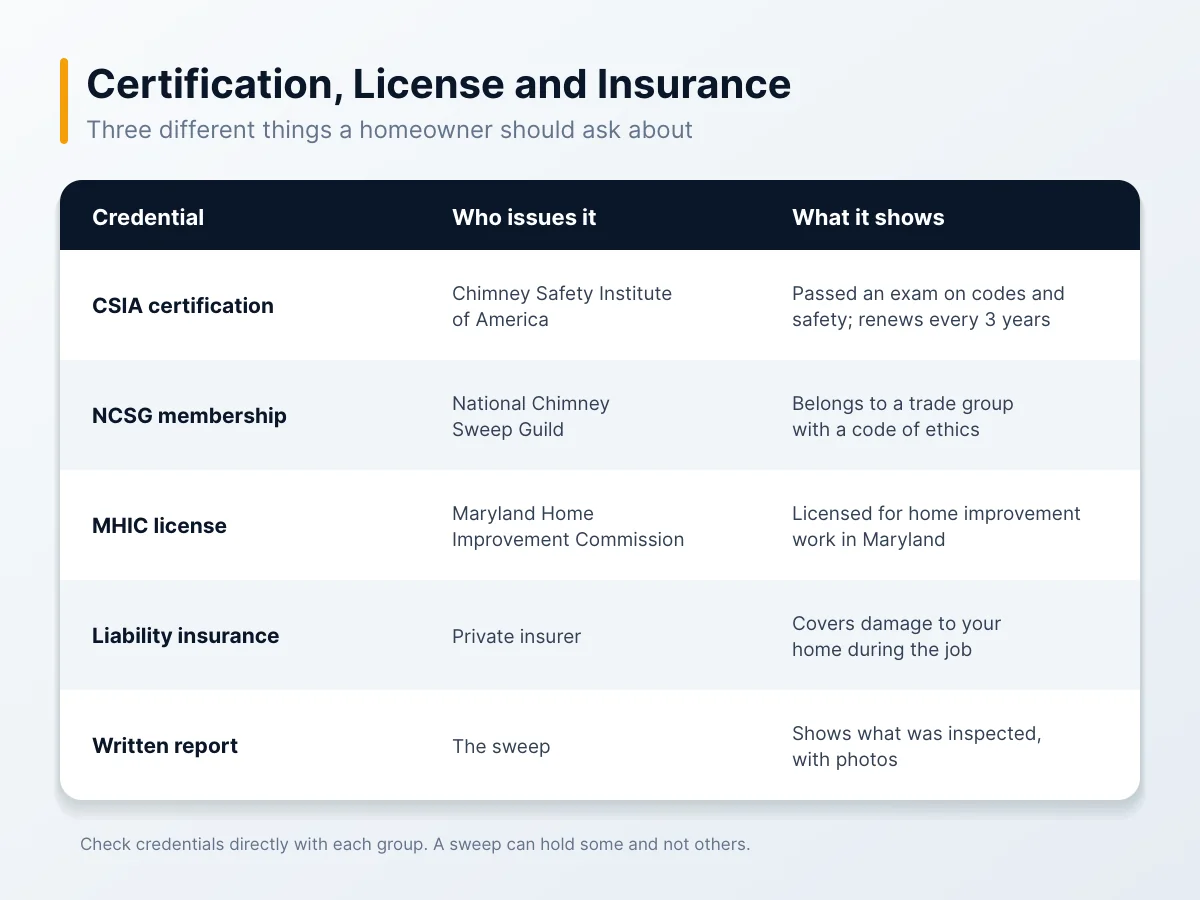
Several different things often get lumped together as being certified. They are not the same, and a good company can explain which ones it holds without hesitation.
| Credential | Who issues it | What it tells you |
|---|---|---|
| CSIA certification | Chimney Safety Institute of America | Passed an exam on codes and safety; must renew every three years |
| NCSG membership | National Chimney Sweep Guild | Belongs to a trade group with a code of ethics and training events |
| MHIC license | Maryland Home Improvement Commission | Licensed to do home improvement work, such as masonry repair, in Maryland |
| Liability insurance | A private insurer | Damage to your home during the job can be covered |
| Written report | The sweep | What was inspected, what was found and photos to back it up |
For simple cleaning, certification and insurance are the two that matter most. Once a visit turns into repair, such as rebuilding a crown or replacing flashing, Maryland generally expects the contractor to hold an MHIC license. The Maryland Home Improvement Commission lets you look up a license number online and explains when one is required.
How Do You Check a Sweep Before You Hire?
It takes about five minutes and you can do it from your phone.
- Ask for the name on the credential. Certification is held by a person, not a truck. Ask who will actually be on your roof.
- Look it up. The CSIA homeowner resources page links to its directory, where you can search by name or ZIP code and confirm the credential is current.
- Check the MHIC number. Ask for it if repairs are likely, then search it on the state lookup.
- Ask for proof of insurance. A certificate of insurance should list the company name and dates of coverage.
- Read recent reviews. Look for reviews that mention photos, clear explanations and a clean work area.
What Questions Should You Ask on the Phone?
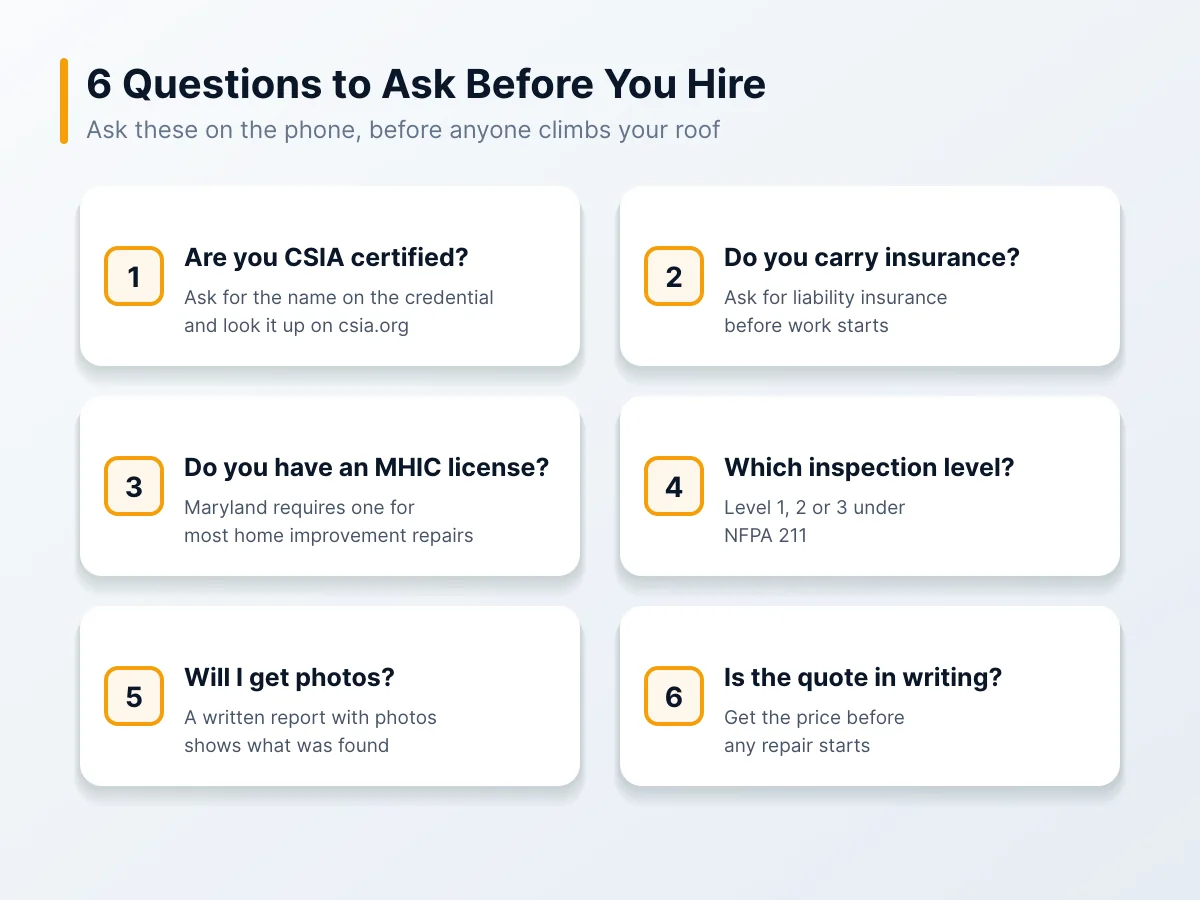
A short call tells you a lot. Here are the questions we suggest every homeowner ask, along with what a good answer sounds like.
Which Inspection Level Will You Do?
For a yearly cleaning on a chimney you use the same way every year, a Level 1 inspection is normal. If you are buying or selling a home, changing fuel or appliance, or after a chimney fire or storm damage, NFPA 211 calls for a Level 2 inspection, which usually includes a camera scan of the flue. A good sweep will explain why one level fits and another does not.
Will I Get a Written Report With Photos?
You should. Photos of the flue, crown, cap and firebox let you see what the sweep saw. They also help if you need a second opinion or are dealing with a home sale or insurance claim.
How Do You Protect My Home?
Look for drop cloths, a sealed vacuum with a HEPA filter and a plan for pets and children. Most cleanings take about an hour to ninety minutes. A crew that rushes through in fifteen minutes is unlikely to have inspected much.
Is the Price in Writing Before Repairs?
Cleaning is usually a flat price. Repairs should come as a written quote you can review before anyone starts. If you hear that something is dangerous and must be fixed today, ask to see the photo and get the price on paper.
What Are the Red Flags?
Most sweeps are honest, hardworking people. A few patterns, though, are worth knowing about because they show up in consumer complaints across the country.
- A very low cleaning price advertised by phone or flyer, followed by a long list of urgent repairs.
- No photos, or photos that could be from any chimney.
- Pressure to sign a repair contract the same day.
- No company name on the truck, invoice or website.
- No answer when you ask for a license or insurance certificate.
If something feels off, pause. Ask for the photos and the written quote, then get a second opinion. A real safety problem will still be there tomorrow, and a reputable company will not mind you checking.
What Should a Good Visit Include?
Whether you burn wood every weekend or a few times a winter, a professional cleaning visit should follow the same basic pattern.
- Setup. Drop cloths, a sealed vacuum and a protected path to the fireplace.
- Look first. A quick check of the firebox, damper and smoke chamber before brushing.
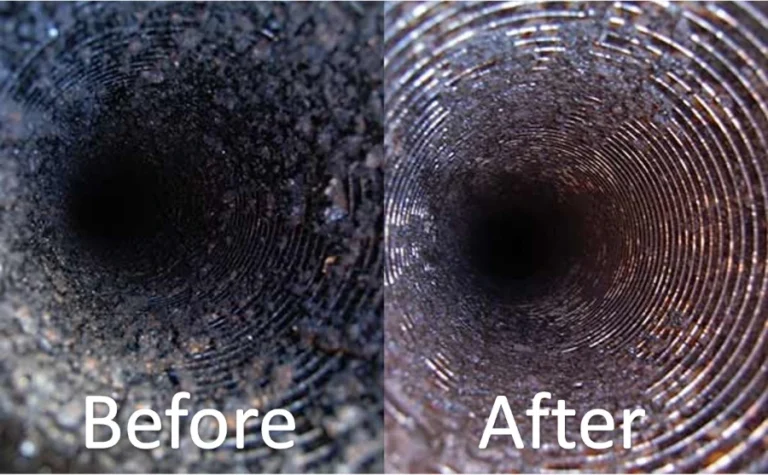
- Clean the flue. Rods and brushes sized to the flue, from the top, the bottom or both.
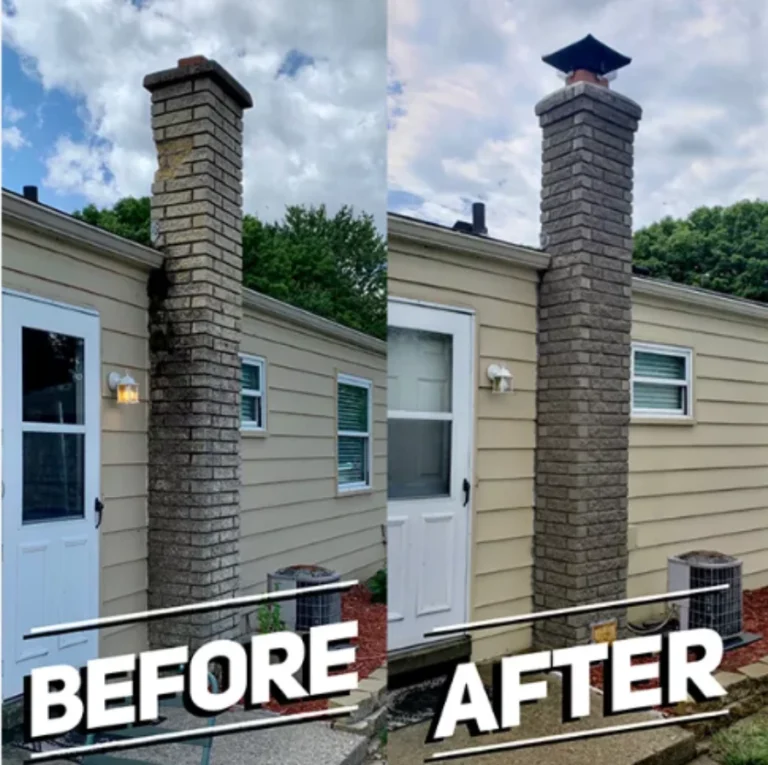
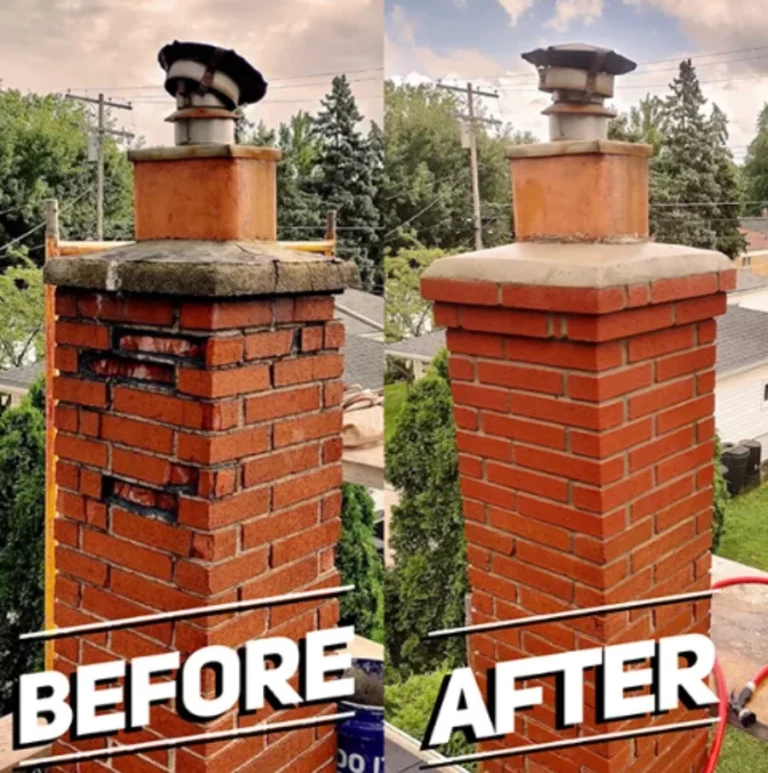
- Check the outside. Cap, crown, brick and flashing, when it is safe to get on the roof.
- Report. Photos and a plain explanation of anything that needs attention.
If you want to know how to get the room ready, our guide on preparing for a sweep visit walks through the day before. Owners who burn in a stove should also read our wood stove chimney cleaning guide, because stove pipes and liners need a few extra checks.
How Often Should a Professional Clean Your Chimney?
NFPA 211 calls for a chimney inspection once a year, with cleaning done when needed. The CSIA explains that a common trigger is a creosote layer about one eighth of an inch thick in the flue. In practice, that means most Annapolis homes that burn wood regularly need a sweep every year, and homes that burn only a few fires a season may get by with an inspection and occasional cleaning.
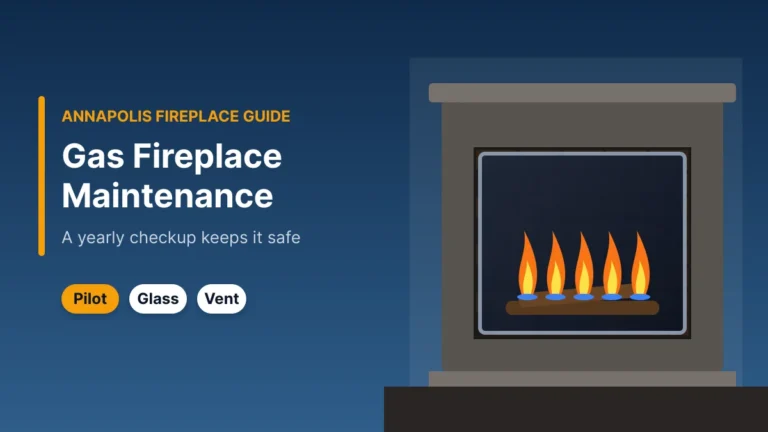
Gas fireplaces still need a yearly check. Nests, rust and loose vent parts can block exhaust even with no soot at all.
Does Local Experience Matter in Anne Arundel County?
It helps. Homes across the county range from colonial era row houses in downtown Annapolis to 1970s split levels in Arnold and newer townhouse communities in Odenton and Crofton. Each type has its own common problems. Older masonry chimneys tend to need crown and mortar work. Townhouses usually have metal flues inside wood chases. Waterfront homes see more rust and water damage from salt air and wind driven rain.
A sweep who works locally has seen these patterns many times and knows what to look for. In the City of Annapolis Historic District, for example, exterior changes such as a new cap style or chimney rebuild may need review before work starts, so it helps to hire someone who will tell you that up front.
Can You Clean Your Own Chimney Instead?
Some homeowners do, especially with a short, straight flue and a simple fireplace. Cleaning is only part of the job, though. A trained eye spots cracked flue tiles, a failing crown or a damaged damper that a brush will not reveal. If you are weighing the two, our guide to DIY chimney cleaning explains what is safe to do yourself and when to call a pro.
What Should You Do After the Visit?
Keep the report and photos with your home records. They give the next sweep a starting point and show a buyer or insurer that the chimney was maintained. If repairs were recommended, ask which ones affect safety now and which can wait until spring, when masonry work is easier to schedule.
Put the next cleaning on your calendar. Late summer and early fall are the easiest times to book in Anne Arundel County, before the first cold snap fills every schedule. Our fall chimney checklist lists the small jobs that are worth doing at the same time, such as testing smoke and carbon monoxide alarms.
Finally, notice how the fireplace behaves over the season. Smoke rolling into the room, a strong smell on humid days or water in the firebox after rain are all worth a call. Catching those early is almost always cheaper than waiting, and a quick call to describe what you see often settles whether a visit is needed at all.
Frequently Asked Questions
Is chimney sweep certification required in Maryland?
No. Maryland does not require certification to clean a chimney. Repairs that count as home improvement work generally require a Maryland Home Improvement Commission license.
How do I know a CSIA credential is real?
Search the person’s name or your ZIP code in the CSIA online directory. It shows whether the credential is current.
How long does a cleaning visit take?
Most wood fireplace cleanings with a Level 1 inspection take about one to one and a half hours, depending on the chimney and how much buildup there is.
Does a sweep need to go on the roof?
Not always for the cleaning itself, but the cap, crown and flashing can only be checked properly from above or with a camera. A good sweep will do that when it is safe.
The Bottom Line
Hiring well comes down to a few checks: the credential, the license for repair work, proof of insurance and a written report with photos. Ask the questions above, look things up yourself and do not let anyone rush you. A certified chimney sweep who explains what they found, shows you the photos and puts prices in writing is the kind of company you will want to call back every year.
Call Annapolis Chimney Pros at (667) 301-7778 or book a cleaning online. We are open 24/7, and every visit ends with photos and a plain explanation of what we found.
Sources: Chimney Safety Institute of America certification and homeowner resources, NFPA 211 Standard for Chimneys, Fireplaces, Vents and Solid Fuel Burning Appliances, and the Maryland Home Improvement Commission.