How to Prepare for a Chimney Sweep Visit
A little planning makes a chimney sweep visit faster, cleaner and more useful. Most of the work is simple: let the fire go out a day early, clear space around the hearth and write down anything odd you noticed during the season. This guide walks through the day before, what the crew does once they arrive and the questions worth asking before they leave.
For an overview of what a professional cleaning includes, see our chimney cleaning service in Annapolis. Here we focus on the homeowner’s side of the job.
When Should You Stop Using the Fireplace?
Stop burning at least 24 hours before the appointment. Ash and the firebox walls hold heat for a long time, and a sweep cannot safely brush or vacuum a warm flue. For a gas fireplace or insert, turn it off the night before so the glass, burner and vent have time to cool.
If you heat with a wood stove, let it burn down completely and leave the door closed so it cools evenly. Do not empty the ashes into a paper bag or plastic bin. Hot coals can stay live for days, so the safer move is to leave them for the sweep, who will remove them with a sealed vacuum and a metal ash can.

How Do You Get the Room Ready?
The crew will bring drop cloths and a vacuum, but a clear area makes setup quick and protects the things you care about.
- Clear about six feet in front of the hearth. Move chairs, side tables, baskets of wood and floor rugs.
- Take things off the mantel. Photos, candles, clocks and plants can be knocked by rods or vibration.
- Open a path to the door. Equipment comes in on a cart or by hand, so move shoes, toys and boxes from the hallway.
- Unlock the side gate. If the ladder needs to go up in the backyard, let the crew know about gates, dogs and sprinkler heads.
- Note the attic hatch. If the chimney passes through an attic you can reach, tell the sweep where the access is.
There is no need to clean the firebox yourself. In fact, it helps to leave the ash and soot where they are, because the pattern of buildup tells the sweep how the fireplace has been burning.
What About Pets and Kids?
A cleaning involves ladders, open doors and a loud vacuum. Dogs and cats are happier in a closed room for an hour, and it keeps them from slipping out of an open door. Children enjoy watching, but keep them back from the hearth and away from the ladder outside. Brushes and rods can come down the flue with some force, and soot is hard to get out of carpets and clothes.
What Should You Write Down Before the Crew Arrives?
You know how your fireplace behaves better than anyone. A short list helps the sweep focus on the right things.
- Smoke rolling into the room when you light a fire or open a door.
- A strong smoky smell on hot or humid days, even with no fire.
- Water in the firebox, rust on the damper or stains on the ceiling near the chimney.
- Pieces of tile, brick or mortar falling into the fireplace.
- Noises in the flue, such as scratching or chirping, which can mean animals or birds.
- A gas fireplace that is slow to light or has a yellow, sooty flame.
Mention any renovation work as well. A new furnace, a new roof or a kitchen hood that vents more air than the old one can all change how the chimney drafts.
What Happens When the Sweep Arrives?

Every company has its own routine, but a typical wood fireplace cleaning with a Level 1 inspection follows the same basic order.
Setup and a First Look
The crew lays drop cloths, sets up a sealed vacuum with a HEPA filter and seals the fireplace opening. Before brushing, the sweep looks at the firebox, damper and smoke chamber with a light so they can see the condition before anything is disturbed.
Brushing the Flue
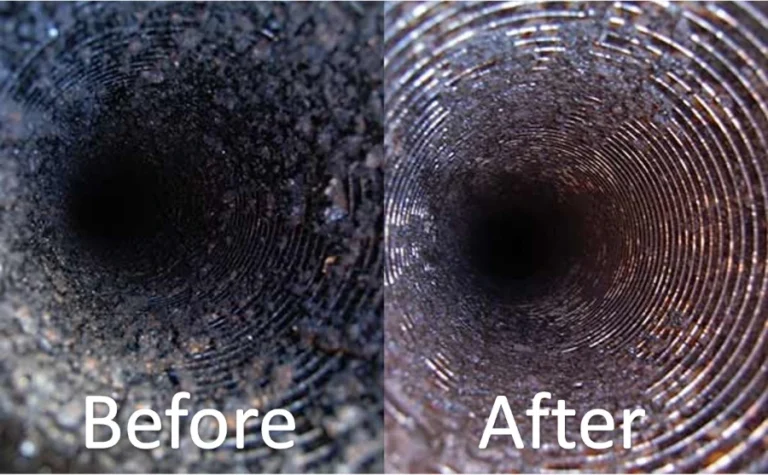
Rods and brushes sized to the flue are run from the bottom, the top or both. The vacuum stays on the whole time to pull dust away from the room. The CSIA notes that creosote, the tar like residue of wood smoke, is the main fuel for chimney fires, so this is the core of the job.
Checking the Outside
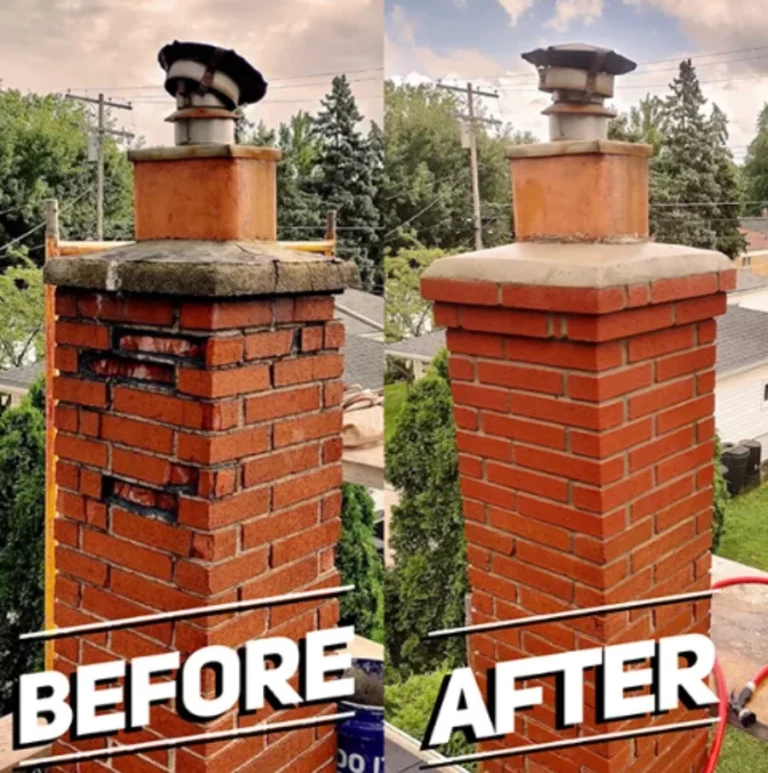
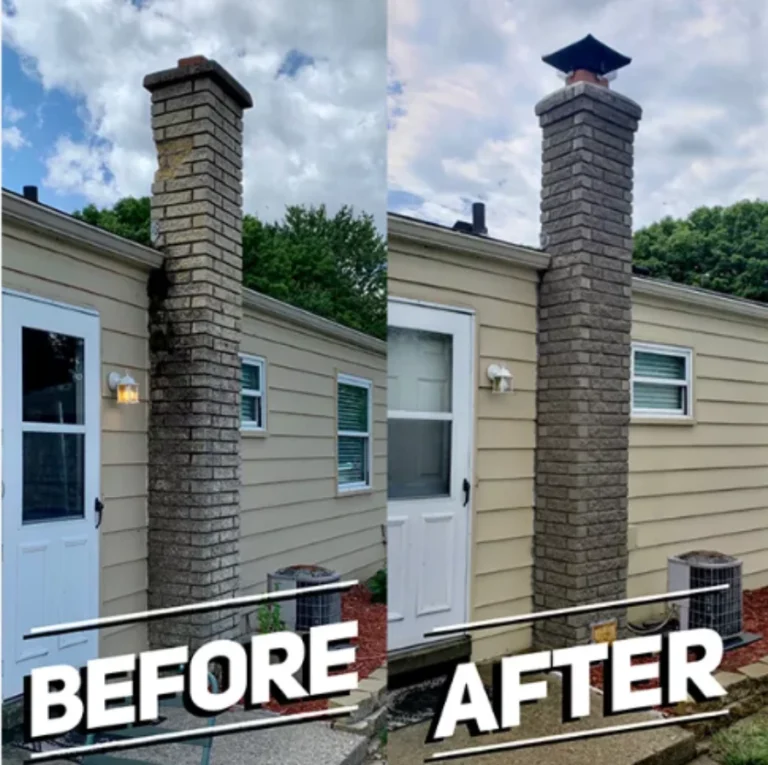
When it is safe to get on the roof, the sweep checks the cap, crown, brick and flashing. On steep or icy roofs, some of this may be done with a camera on a pole or postponed to a better day.
Cleanup and Report
Debris goes into sealed bags or a metal can, the drop cloths are folded inward and the area is vacuumed. You should then get a short walkthrough of what the sweep found, ideally with photos.
How Long Does the Cleaning Take?
Most single flue fireplace cleanings take about an hour to ninety minutes. A wood stove with a long connector pipe, a chimney with heavy glazed creosote or a home with more than one flue can take longer. If repairs or a camera inspection are added, plan for extra time or a second visit.
| Type of job | Typical time | What can add time |
|---|---|---|
| Open wood fireplace | About 1 to 1.5 hours | Heavy creosote, hard roof access |
| Wood stove or insert | About 1.5 to 2 hours | Removing the stove pipe or insert |
| Gas fireplace or logs | About 1 hour | Cleaning logs, burner and glass |
| Camera inspection added | About 30 to 60 minutes more | Long or offset flues |
These are typical ranges, not promises. Your sweep should give you a better estimate on the phone once they know the type of fireplace and the height of the house.
Is Preparation Different for Gas or Inserts?
A little. For a gas fireplace, turn the unit off at the wall switch or remote and, if you know how, turn the pilot off as the owner’s manual describes. Leave the logs where they are. The technician will lift them out, clean the burner and pilot area and put them back in the pattern the maker shows, because logs in the wrong spot can cause soot and odd flames.
For a wood or pellet insert, let the sweep know the make and model when you book. Some inserts must be pulled out of the fireplace to clean the liner behind them, which takes two people and more time. If you have the manual, set it out on the counter. It lists the clearances and cleaning steps for your unit.
What If the Sweep Finds a Problem?
Ask to see it. A good sweep will show you a photo or video and explain what it means in plain words. Then ask three questions: is it safe to use the fireplace until it is fixed, what will the repair involve and can you have the price in writing.
Some findings are urgent, such as a cracked flue liner, missing mortar in the firebox or signs of a past chimney fire. Others, like a small crack in the crown or a loose cap, can often be scheduled for a dry week. If you want more detail before you decide, a camera inspection gives a full view of the flue. There is no harm in taking a day to think it over or getting a second opinion.
What Should You Ask Before the Crew Leaves?
- Is the chimney safe to use tonight?
- How much buildup did you find, and was any of it glazed?
- Did you see any cracks in the flue tiles, crown or firebox?
- Is the cap secure, and does the damper close fully?
- Do any repairs affect safety now, or can they wait?
- When should I book the next cleaning?
Keep the photos and the written report. They make the next visit faster and are useful if you sell the house. If the sweep recommends a deeper look, our chimney inspection service covers Level 2 inspections with a camera scan.
How Can You Keep the Chimney Cleaner Between Visits?
Good burning habits slow the buildup of creosote. The EPA’s Burn Wise program recommends burning only dry, seasoned wood and checking it with a moisture meter, with a reading of 20 percent or less as the target. Small, hot fires burn cleaner than large smoldering ones, and the damper should be fully open while a fire is burning.
- Split and stack firewood off the ground and under cover for at least six months.
- Do not burn trash, painted wood, cardboard or wrapping paper.
- Follow the maker’s advice on glass doors while a fire is burning.
- Test smoke and carbon monoxide alarms every month during the heating season.
If you clean between visits yourself, our DIY chimney cleaning guide explains what is safe to do and when to leave it to a pro.
When Is the Best Time to Book?
In Anne Arundel County, the busiest weeks start with the first cold snap in October and run through the holidays. Booking in late summer or early fall usually means more choice of dates and time to finish any repairs before you need the fireplace. Spring is also a good time, because the chimney is clean for the summer and odors on humid days are easier to manage. Our fall chimney checklist lists other jobs to do at the same time.
Frequently Asked Questions
Do I need to be home during the cleaning?
It helps to be home at the start and the end, so you can show the sweep any problems and go over the findings. Some homeowners leave a key or code if they cannot be there.
Will the cleaning make a mess?
A professional crew uses drop cloths and a sealed vacuum, so there should be little or no soot in the room afterward. Moving furniture back from the hearth helps.
Can the sweep come if it is raining?
Inside cleaning can usually go ahead. Roof work may be postponed in heavy rain, high wind or ice for safety.
Should I clean the ashes out first?
No. Leave the ashes for the sweep. Hot coals can stay live for days, and the buildup pattern helps the sweep understand how the fireplace has been burning.
The Bottom Line
Preparing well is mostly about timing and space: stop burning a day ahead, clear the hearth, plan for pets and write down what you noticed. Then use the last few minutes of the chimney sweep visit to ask about safety, buildup and repairs, and keep the report with your home records.
Call Annapolis Chimney Pros at (667) 301-7778 or book your cleaning online. We are open 24/7 and will confirm your arrival window the day before.
Sources: Chimney Safety Institute of America homeowner resources, EPA Burn Wise program and NFPA 211 Standard for Chimneys, Fireplaces, Vents and Solid Fuel Burning Appliances.