7 Warning Signs Your Chimney Needs Cleaning
Your chimney usually warns you before it becomes a problem. The trouble is, most homeowners in Annapolis do not know what to listen and look for. Here are seven clear signs it is time to book a cleaning, and why each one matters.
1. A strong smoky or campfire smell
If your fireplace smells like an old campfire even when it is cold, that odor is creosote. It gets stronger in humid Maryland summers. A smell that lingers is one of the earliest and most common signs of buildup.
2. Smoke rolls back into the room
When smoke pushes into your living room instead of drawing up the flue, something is blocking the airflow. It could be heavy creosote, a bird nest, or debris. Either way, it means the chimney is not venting the way it should.
3. Fires are hard to light or keep going
A healthy chimney pulls air up and feeds the fire. If your fires sputter, struggle, or die out, a clogged flue may be starving them of draft. This is easy to miss because people blame the wood, not the chimney.
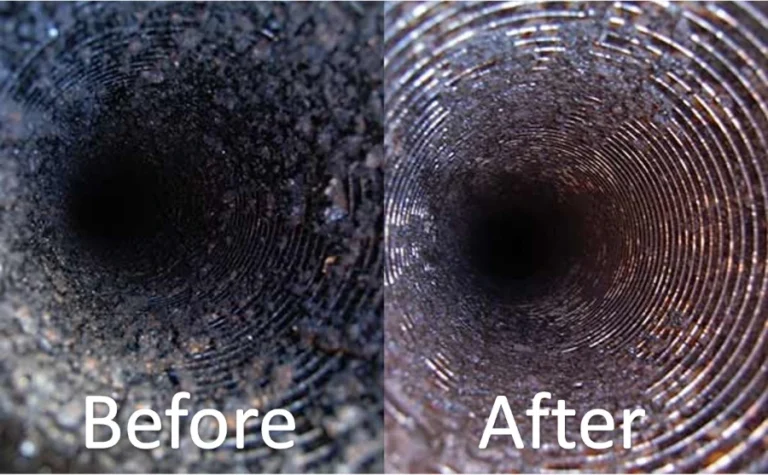
4. A black, flaky, or shiny coating inside
Shine a flashlight up the flue. A thin dusting of soot is normal. A thick black layer, or a hard shiny glaze, is not. Once buildup reaches about one eighth of an inch, it is time to clean.
5. Soot falling into the firebox
Finding black flakes or grit in the firebox between fires means creosote is loosening and dropping. It is a signal that the layer above has grown thick enough to shed.
6. A damper that sticks or looks dirty
If the damper is hard to open, or coated in dark residue, buildup is collecting right where the flue narrows. That narrow point clogs first, which is exactly where draft problems begin.
7. It has been over a year
Sometimes the clearest sign is the calendar. If you cannot remember your last cleaning, or you have burned three or four cords since then, do not wait for a bigger warning. Book a check now.
Why these signs matter
Every one of these points back to the same risk. Creosote is flammable, and a chimney fire can burn well past 2,000 degrees. The U.S. Fire Administration reports thousands of chimney and fireplace fires each year. A blocked flue can also push carbon monoxide back into your home, which the U.S. Centers for Disease Control and Prevention calls an invisible danger because you cannot see or smell it.
Spotting one of these signs? See how our chimney cleaning works, or contact us for a same week visit. More answers are on our FAQs page.
Sources: U.S. Fire Administration and the U.S. Centers for Disease Control and Prevention.